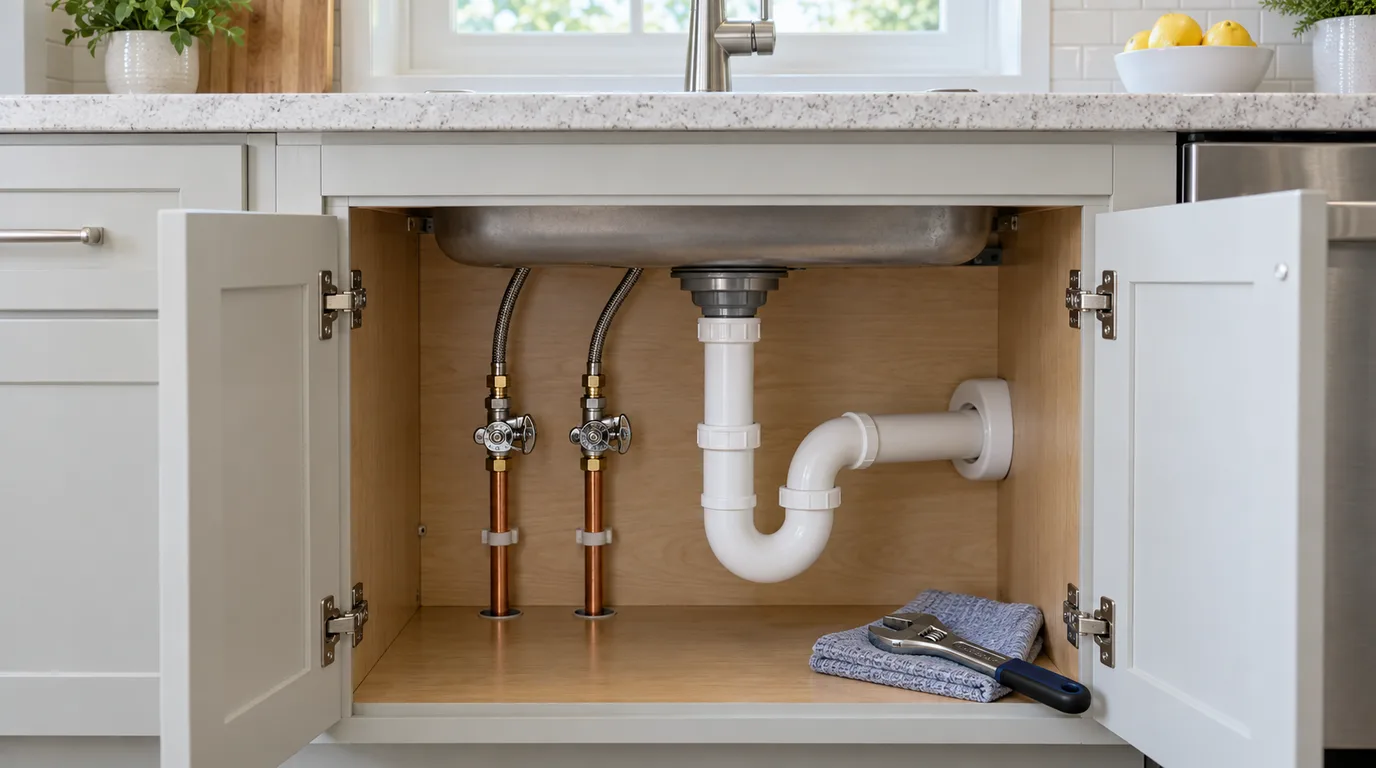
Water expands as it freezes, and the American Red Cross notes that this can break pipes no matter how strong they are. The pipes most likely to freeze are outdoor hose bibs, sprinkler and pool supply lines, supply pipes in unheated areas such as basements, crawl spaces, attics, garages and kitchen cabinets, and pipes along poorly insulated exterior walls.
Before cold weather
- Remove, drain and store outdoor hoses. Close the inside valves that supply outdoor hose bibs and open the outside bibs so remaining water can drain.
- Add insulation in attics, basements and crawl spaces, and insulate hot and cold pipes in unheated areas.
- Pipe sleeves or UL-listed heat tape or heat cable are options for exposed pipes. Follow the product instructions.
During very cold weather
- Keep garage doors closed if supply lines are in the garage.
- Open kitchen and bathroom cabinet doors so warmer air reaches the pipes, and move household chemicals out of children's reach.
- Let cold water drip from the faucet served by exposed pipes.
- Keep the thermostat at the same temperature day and night. If you go away, the Red Cross says to leave the heat on at 55°F or higher.
If a pipe may be frozen
If a faucet gives only a trickle, a pipe may be frozen. The Red Cross says to keep the faucet open and apply heat with an electric heating pad, hair dryer, a portable space heater kept away from flammable materials, or towels soaked in hot water. It says not to use a blowtorch, kerosene or propane heater, charcoal stove or other open flame. If you cannot find the frozen area, cannot reach it, or cannot thaw the pipe, call a licensed plumber.
Sources: American Red Cross: Preventing & Thawing Frozen Pipes
Need a Plumber?
Contact is not active on this preview. Hire a licensed plumber for repairs.
Phone coming soon