1. What to Know
This page gives general information about Leak Detection Near Me. Hour Plumber is an information preview and does not dispatch plumbers. When you hire any plumber, ask for a written estimate.
Check Your Meter
EPA WaterSense: read your water meter when no water is in use, then again two hours later. If the reading changed, you probably have a leak.
Compare Your Bills
A bill much higher than the same month last year can point to a hidden leak. EPA WaterSense gives winter use above about 12,000 gallons a month for a family of four as a sign of a serious leak.
Leak Alerts & Monitors
Some water utilities offer leak alerts, and leak detection or flow monitoring devices can warn of unusual use. EPA WaterSense suggests testing them once a year.
Locating the Leak
Finding a hidden leak is work for a plumber or leak specialist. Ask what method they use, whether the price covers repair and patching, and what the written estimate includes.
2. Advanced Diagnostic Technology & Inspection Protocol
Many plumbers diagnose a problem before cutting into pipes or walls. The tools below are common, but not every plumber uses all of them.
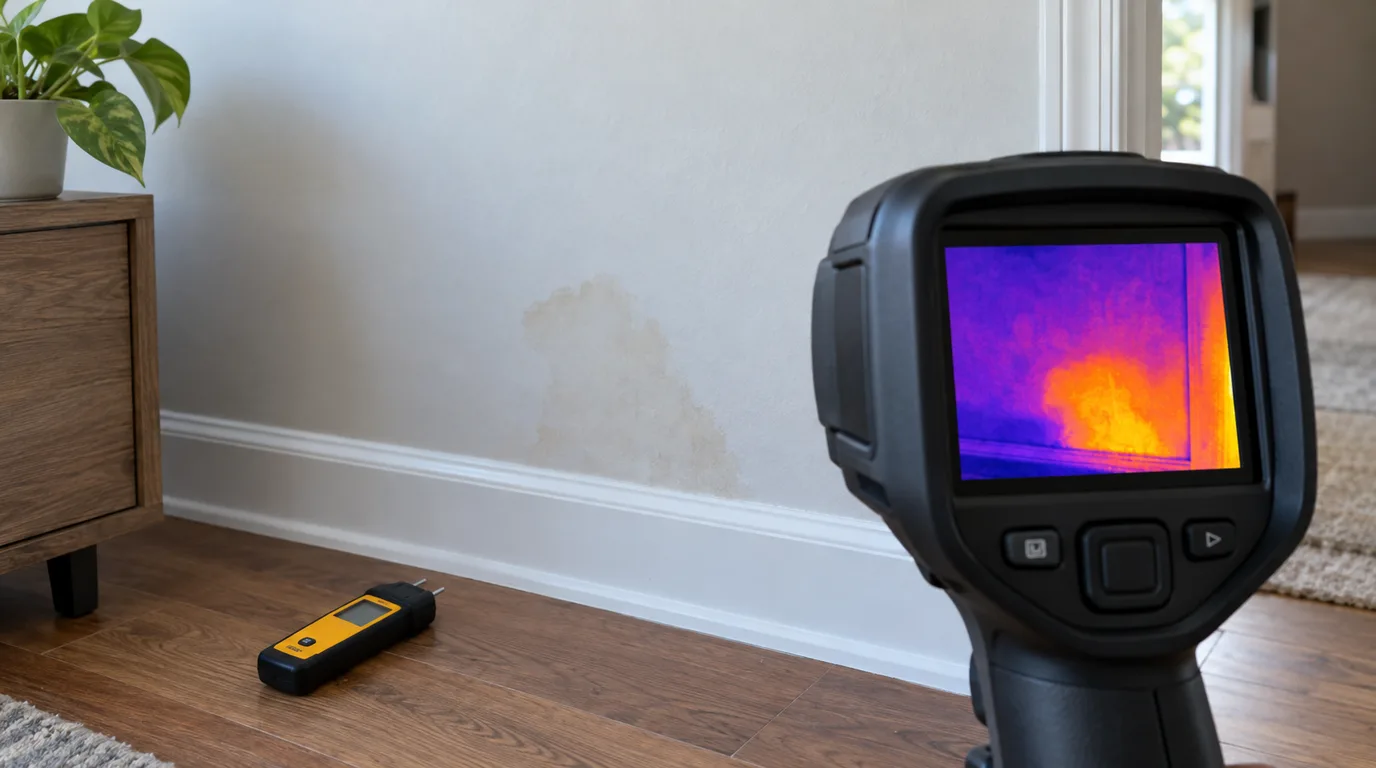
For drains and sewers, a camera can be fed through a cleanout to look for roots, sags, and buildup. For leaks, plumbers may use acoustic listening devices or thermal cameras to locate a hidden leak.
3. What a Repair Often Involves
Steps vary by job, but a repair often goes like this:
- Make the area safe: The plumber will explain how to stop water or gas safely for your situation.
- Diagnose: Find the cause, sometimes with a camera, gauge, or listening device.
- Get an estimate: Ask for the scope and price in writing before work begins.
- Repair: The fix depends on the problem, such as clearing a line, replacing a section of pipe, or relining.
- Check the result: Confirm there are no leaks and that the area is cleaned up.
4. Homeowner Preventative Maintenance Checklist
Simple habits can reduce the chance of sudden plumbing problems:
- Drain Care: Keep grease out of kitchen drains and use strainers. Harsh chemical drain cleaners can be hazardous; follow label warnings.
- Check Water Pressure: EPA WaterSense says 45 to 60 psi is best for most homes, and a gauge on a hose bib shows your pressure. Ask a plumber about a pressure-regulating valve if it is high.
- Water Heater Upkeep: EPA WaterSense suggests a professional service at least once a year and checking the temperature and pressure valve yearly. Follow your manual.
- Know Your Main Valve: Ready.gov advises finding and tagging the main shutoff and making sure it closes fully; a plumber replaces one that does not.
Sources: EPA WaterSense · Ready.gov · American Red Cross