1. What to Know
This page gives general information about Pipe Repair Near Me. Hour Plumber is an information preview and does not dispatch plumbers. When you hire any plumber, ask for a written estimate.
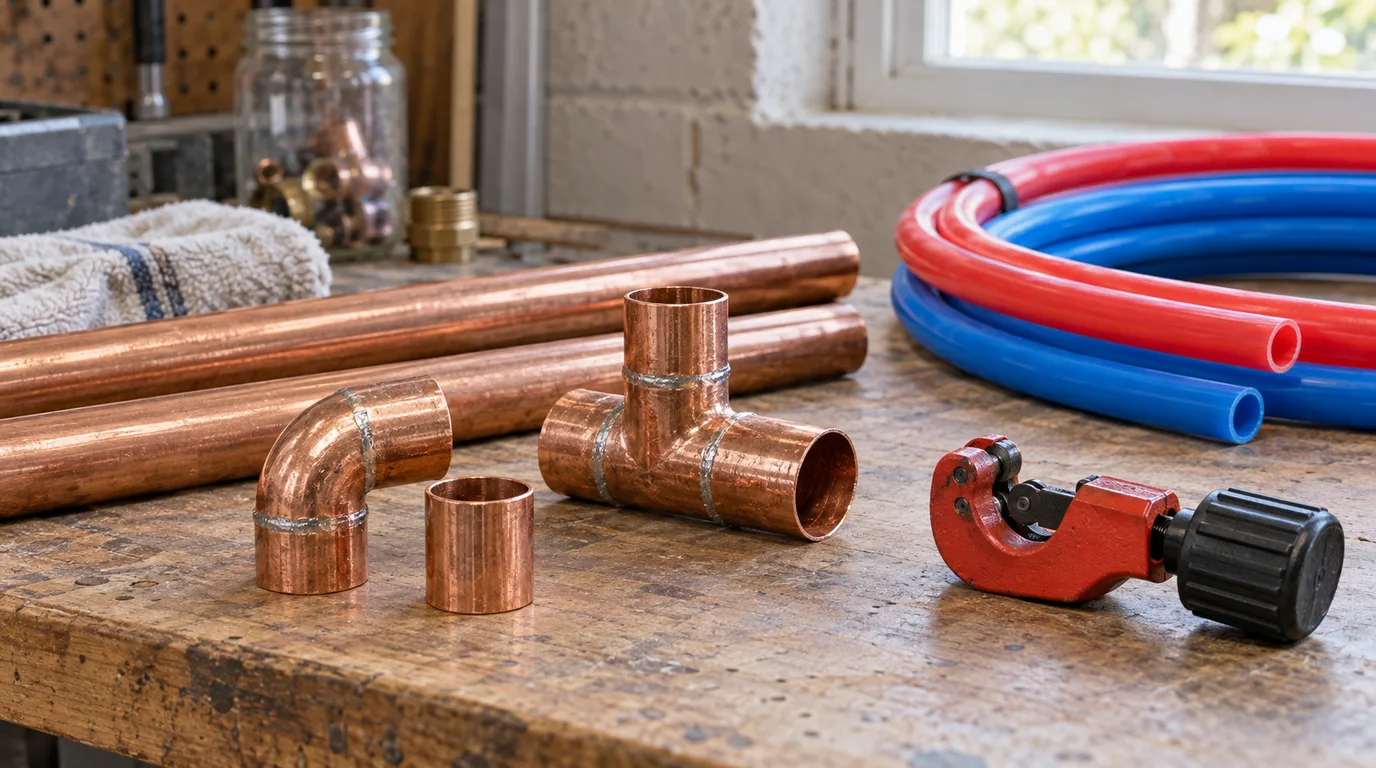
Burst Copper & PEX Pipe Replacement
A burst pipe is usually repaired by cutting out the damaged section and joining new pipe with fittings. Copper is soldered or uses press fittings, and PEX uses crimp or expansion fittings.
Finding Hidden Leaks
EPA WaterSense suggests comparing water bills year over year and reading your water meter with all water off, then again two hours later. A changed reading means a leak somewhere.
Fitting Upgrades
Old or corroded fittings and valves can be replaced to stop recurring drips. Ask whether the new parts are compatible with your existing pipe material.
Water Pressure
EPA WaterSense says fixtures work best with incoming pressure of 45 to 60 psi, and that a gauge on a hose bib shows your pressure. A pressure-regulating valve may be installed to hold it in that range.
2. Advanced Diagnostic Technology & Inspection Protocol
Many plumbers diagnose a problem before cutting into pipes or walls. The tools below are common, but not every plumber uses all of them.
For drains and sewers, a camera can be fed through a cleanout to look for roots, sags, and buildup. For leaks, plumbers may use acoustic listening devices or thermal cameras to locate a hidden leak.
3. What a Repair Often Involves
Steps vary by job, but a repair often goes like this:
- Make the area safe: The plumber will explain how to stop water or gas safely for your situation.
- Diagnose: Find the cause, sometimes with a camera, gauge, or listening device.
- Get an estimate: Ask for the scope and price in writing before work begins.
- Repair: The fix depends on the problem, such as clearing a line, replacing a section of pipe, or relining.
- Check the result: Confirm there are no leaks and that the area is cleaned up.
4. Homeowner Preventative Maintenance Checklist
Simple habits can reduce the chance of sudden plumbing problems:
- Drain Care: Keep grease out of kitchen drains and use strainers. Harsh chemical drain cleaners can be hazardous; follow label warnings.
- Check Water Pressure: EPA WaterSense says 45 to 60 psi is best for most homes, and a gauge on a hose bib shows your pressure. Ask a plumber about a pressure-regulating valve if it is high.
- Water Heater Upkeep: EPA WaterSense suggests a professional service at least once a year and checking the temperature and pressure valve yearly. Follow your manual.
- Know Your Main Valve: Ready.gov advises finding and tagging the main shutoff and making sure it closes fully; a plumber replaces one that does not.
Sources: EPA WaterSense · Ready.gov · American Red Cross